Inspect & comply
The right inspection pathway for the asset and its use.
Truck Cranes connects equipment-specific inspection or thorough examination, clear findings and remedial action—without pretending one regime applies to everything.
Equipment-led scope
Start with what the asset is and how it is used
The relevant duty, competent role, timing and evidence are determined for the exact situation. This page is practical guidance, not legal advice.
Thorough examination
LOLER applies to lifting equipment used at work. Where applicable, a competent person carries out a systematic examination and issues a written report identifying the examination, next due date and relevant defects.
Equipment context
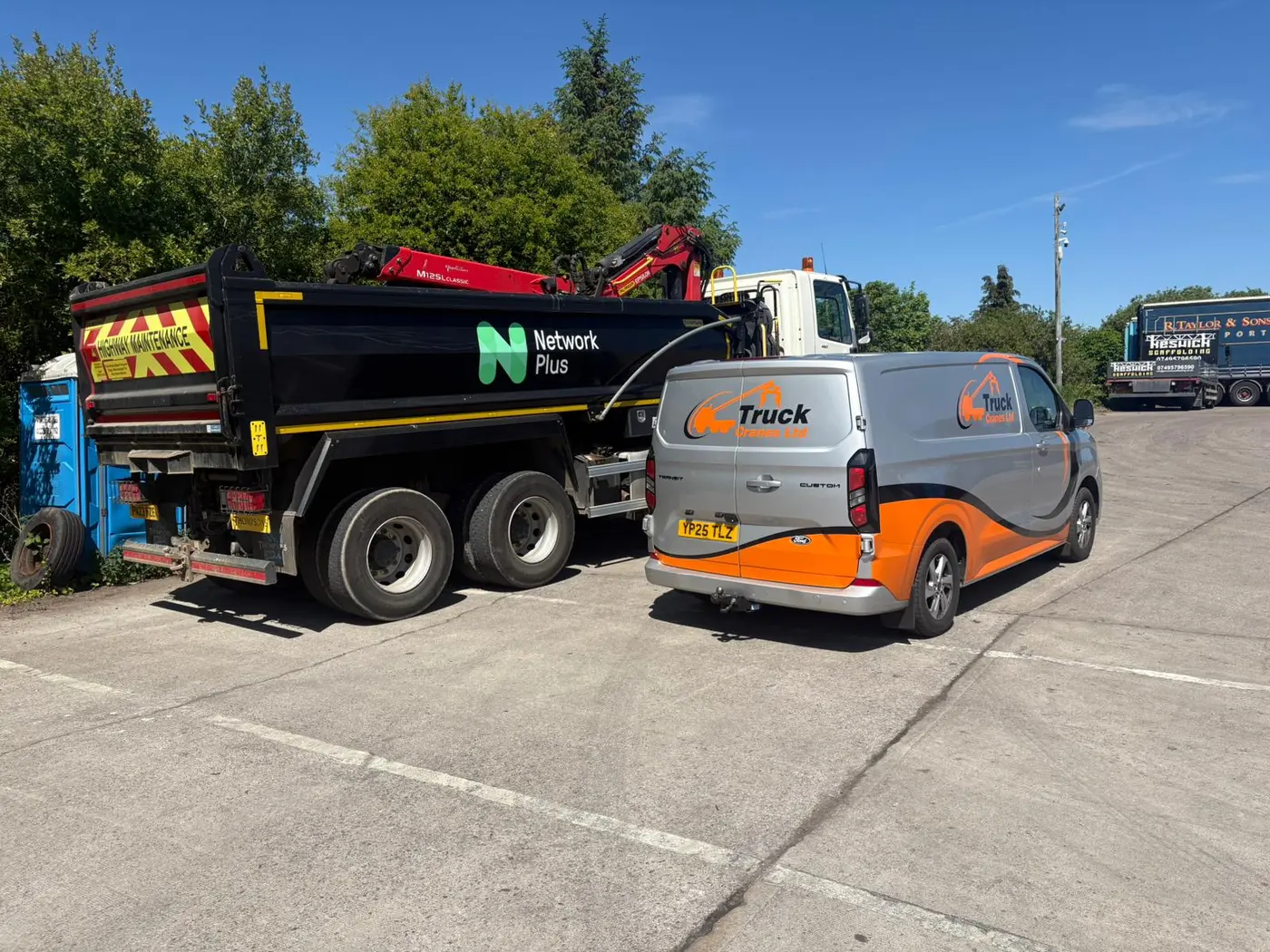
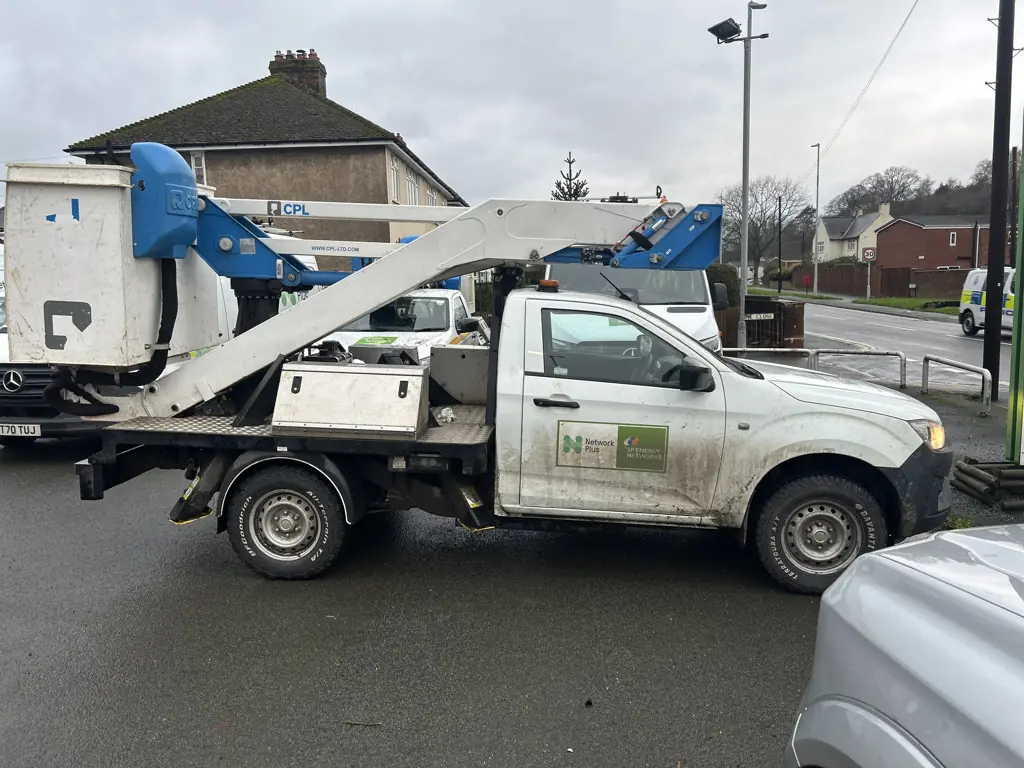
Truck-mounted cranes, MEWPs lifting people, tail lifts, winches and hookloader functions require equipment- and use-specific assessment. No universal scope is implied.
Safe work equipment
PUWER addresses whether work equipment is suitable, maintained in a safe condition and inspected where installation, deterioration or exceptional circumstances make inspection necessary.
Equipment context
Mechanical, hydraulic, control and guarding considerations may sit within PUWER even where a LOLER lifting-equipment duty also exists.
From finding to controlled action
A useful inspection route does not stop at the report. Findings are made clear, dangerous defects are handled appropriately, engineering remedials are scoped and subsequent evidence is retained.
Customer outcome
Reports, defect information, remedial work and applicable closure can be connected through the asset evidence record.
LOLER and PUWER
Two controls, different focus
Some equipment can be affected by both. The correct treatment comes from the actual asset and use—not a page label.
| Question | LOLER | PUWER |
|---|---|---|
| Primary focus | Lifting equipment and lifting operations. | Work equipment suitability, safe condition and use. |
| Typical trigger | Applicable lifting equipment requires thorough examination in defined circumstances or under an examination scheme. | Inspection is required where installation, deterioration or exceptional circumstances could create risk. |
| Output | A written thorough-examination report with required particulars and defects. | An inspection record appropriate to the equipment and identified risk. |
| Relationship to service | Thorough examination is not a substitute for maintenance or servicing. | Safe condition and maintenance duties continue alongside inspection. |
| Truck Cranes pathway | Scope applicable examination, report findings and connect appropriate remedials. | Scope equipment-specific inspection, identify action and retain the record. |
Defect to evidence
What happens when an inspection identifies a problem?
The response depends on the finding and the competent assessment. The record must not be separated from the practical action it requires.
- 01 · RecordFinding and affected asset identified
- 02 · ControlRisk and continued-use position made clear
- 03 · RemediateSuitable repair or engineering action agreed
- 04 · CloseRe-examination or closure evidence retained where applicable
Authoritative guidance
Regulatory wording stays anchored to the HSE.
Truck Cranes can discuss the service and evidence pathway. Dutyholders should use current HSE guidance and competent advice for their exact circumstances.
Supported equipment
Move between service and asset pathways
 Cranes
 MEWPs
MEWPs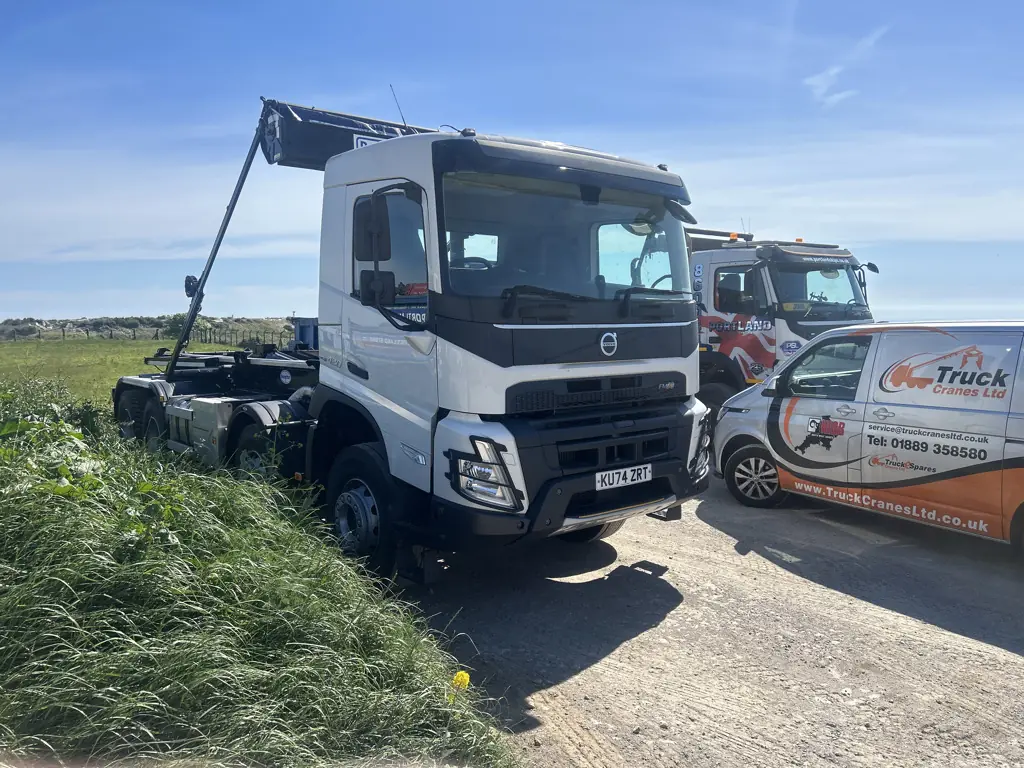 Hookloaders
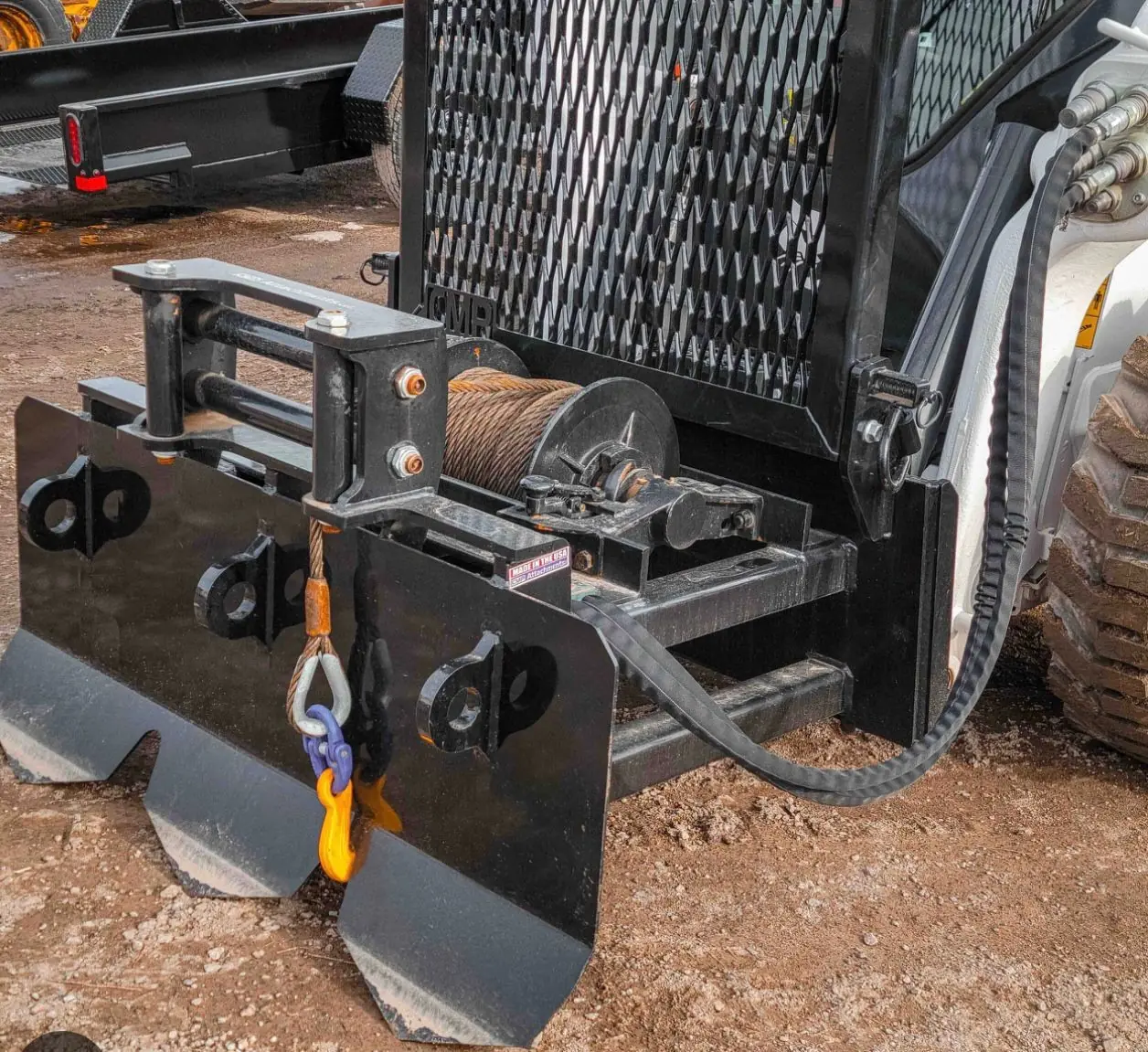 Winches
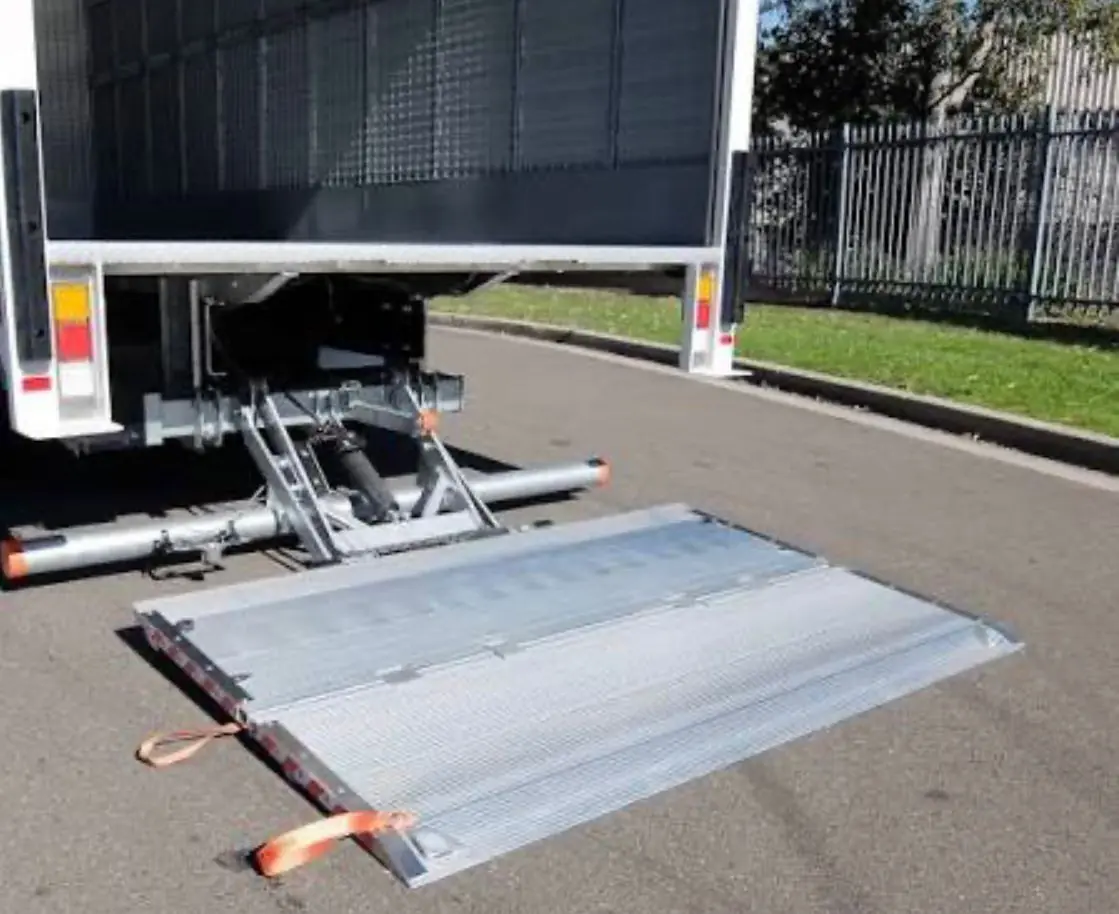 Tail lifts
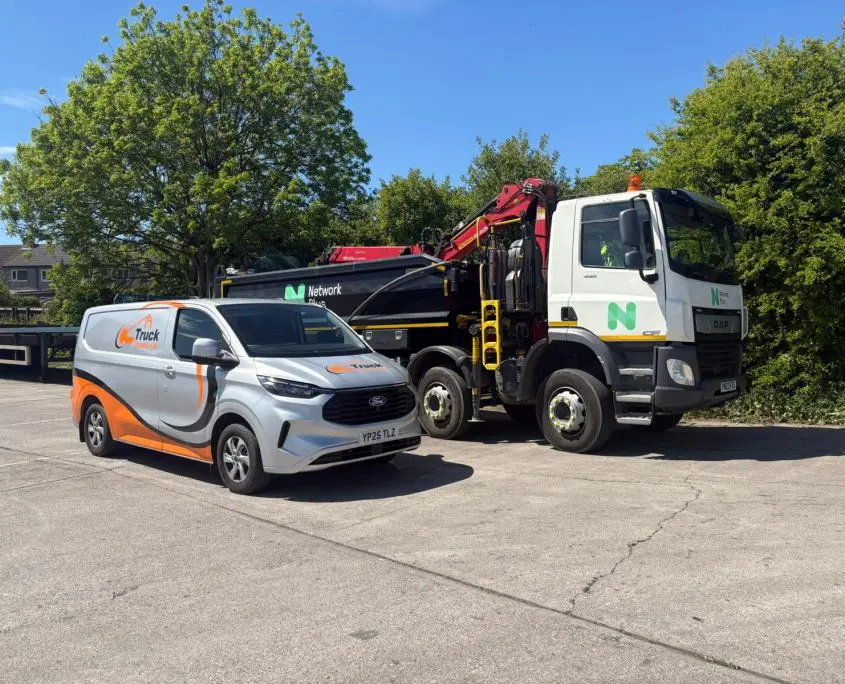 Hydraulics & plant
Buyer questions
LOLER, PUWER, defects and records
Straight answers to the questions that usually shape the next step.
What is a LOLER thorough examination?
It is a systematic and detailed examination of lifting equipment and safety-critical parts by a competent person, concluded with a written report. It is distinct from routine servicing.
Does every item of work equipment need a formal PUWER inspection?
No. The need and frequency follow the equipment, installation, deterioration risk, exceptional circumstances and risk assessment.
Can Truck Cranes repair defects found during inspection?
Engineering and remedial capability can be coordinated with the finding, but any required independence, re-examination and closure route must remain appropriate to the equipment and circumstances.
What evidence should the customer retain?
Relevant inspection or thorough-examination reports, defect information and subsequent remedial evidence should remain accessible for the applicable duty and asset.
Are LOLER and PUWER the same thing?
No. LOLER focuses on lifting equipment and lifting operations; PUWER applies more broadly to work equipment suitability, safe condition, safeguards and inspection where required. They may overlap on some assets.
Scope the right control